Agromedis — Rather than merely launching new programs, the Faculty of Medicine at the University of Jember (FK UNEJ) has adopted a more strategic approach to addressing the national shortage of specialist doctors. Through the Specialist Medical Education Programs (PPDS) in Surgery as well as Anesthesiology and Intensive Therapy, FK UNEJ is not only focusing on academic development but also actively building a collaborative ecosystem across regions.
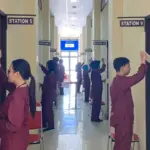
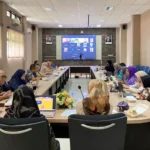
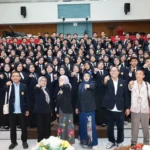
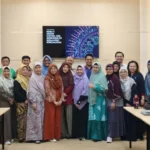
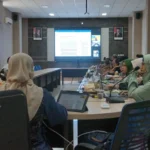
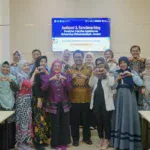
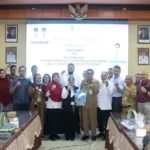
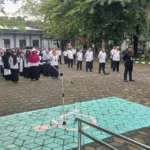
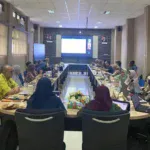
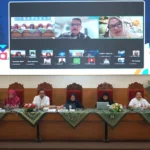
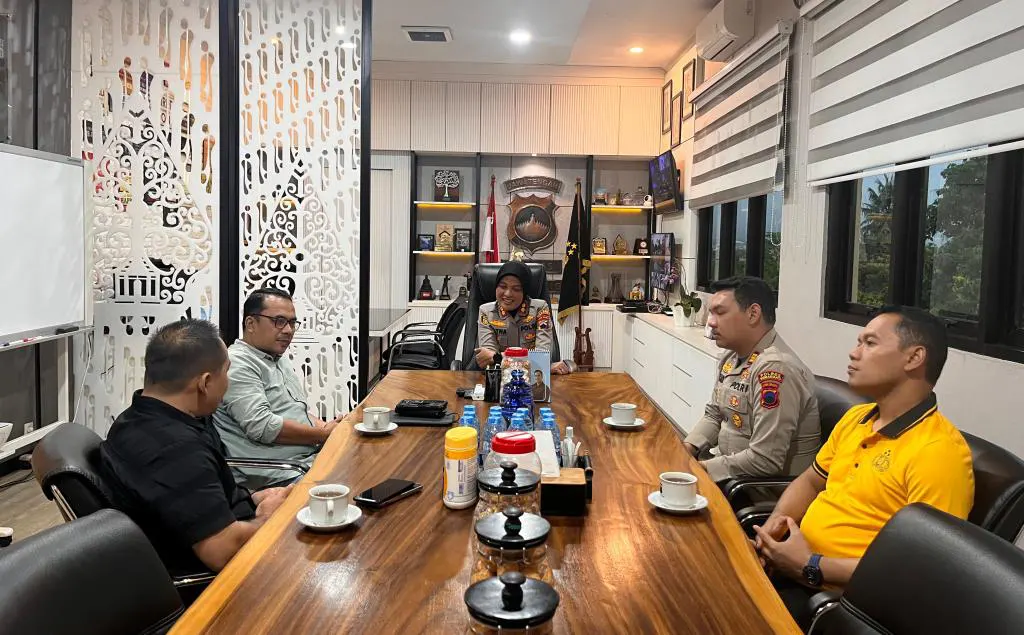
This effort is reflected in a series of intensive visits conducted from April 8–10, 2026, to various institutions in Central Java. The initiative goes beyond hospitals, reaching non-academic institutions such as law enforcement agencies and local governments. This approach highlights that addressing the shortage of specialist doctors cannot be done in isolation but requires multi-sector collaboration.
The Dean of FK UNEJ, Dr. dr. Ulfa Elfiah, emphasized that the success of these specialist programs depends heavily on the strength of the networks established from the outset. According to her, effective and targeted dissemination of information will play a crucial role in attracting prospective candidates from diverse regions.
Furthermore, this initiative reflects a shift in the paradigm of medical education—from being campus-centered to becoming more responsive to community needs. FK UNEJ recognizes that regions outside major cities continue to face significant disparities in access to specialist doctors, particularly in surgery and anesthesiology.
In this context, the PPDS programs at FK UNEJ are expected not only to produce competent graduates but also to address the real needs of healthcare services in underserved areas. In other words, these programs are designed as long-term solutions rather than merely increasing the number of medical professionals.
In addition, the visits also serve as a platform to explore community-based healthcare collaborations. One of the highlighted initiatives is the plan to organize social programs, including cleft lip and palate surgeries, which remain highly needed in many regions.
Mohamad Isriadi, Head of Public Relations at the University of Jember, explained that this communication strategy is not only aimed at promoting the programs but also at opening opportunities for tangible partnerships. By engaging various institutions, the likelihood of sustainable and impactful program implementation becomes significantly higher.
The involvement of law enforcement agencies in this network is also noteworthy. It underscores the interconnected nature of the healthcare sector with other fields, including the distribution of services, security for social initiatives, and support for humanitarian programs.
Through these efforts, FK UNEJ seeks to reaffirm its role as an institution that adapts to contemporary challenges. It not only produces medical professionals but also actively contributes to developing solutions for national healthcare issues.
With this collaborative strategy, FK UNEJ remains optimistic that these efforts will have a meaningful impact in reducing the disparity in the distribution of specialist doctors across Indonesia. This network-based approach is expected to serve as a model that other educational institutions can replicate in addressing similar challenges.